Exploring Rotary Games: The Neonstar Phenomenon
Introduction to Rotary Games
Rotary Games have been a captivating segment in the world of interactive entertainment, known for their unique blend of mechanics that leverage rotational dynamics. This genre, often characterized by its engaging concepts of rotation and revolution, caters to a diverse audience ranging from casual gamers to dedicated enthusiasts. As the gaming landscape continues to evolve, Rotary Games have secured their place by constantly innovating and adapting to emerging technologies and trends.
The Emergence of Neonstar
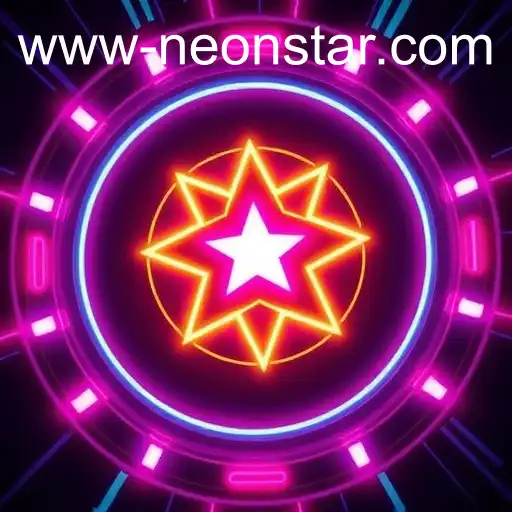
Among the numerous titles in the Rotary Games category, Neonstar has emerged as a standout. Launched to critical acclaim, Neonstar revolutionized the genre with its vibrant aesthetics and fluid gameplay mechanics. The game’s premise revolves around guiding a neon-colored star through a series of rotating obstacles, combining elements of timing, precision, and strategic planning.
The Impact of Neonstar
Neonstar's impact on the Rotary Games segment is undeniable. The game introduced a fresh aesthetic that combines nostalgic neon visuals with modern gaming intricacies, appealing to both retro gaming enthusiasts and newcomers. This fusion not only attracts a wide audience but also sets a benchmark for visual design across similar games.
Gameplay Mechanics
The core of Neonstar’s appeal lies in its innovative gameplay mechanics. Players are tasked with maneuvering a star through rotating challenges, harnessing both skill and strategic foresight. Each level presents unique puzzles, requiring players to deftly navigate through increasingly complex patterns, promoting replayability and sustained user engagement.
Visual Aesthetics
Neonstar's distinct visual style utilizes luminous colors and intricate design patterns, creating a visually arresting experience. The use of neon highlights against dark backgrounds enhances visibility and focus while maintaining an immersive atmosphere that keeps players engaged for extended periods.
Audio Elements
The auditory experience in Neonstar is equally impactful. The developers have crafted a soundtrack that complements the visual stimuli, often featuring electronic beats that resonate with the dynamic nature of the gameplay. This synchronicity between audio and visual elements helps in creating a holistic gaming experience.
Community and Cultural Influence
Neonstar has cultivated a vibrant community of players and creators who contribute to its lasting appeal. Online forums and social media platforms are abuzz with fan art, gameplay strategies, and custom challenges, enabling players to engage beyond the core game itself. This participatory culture fosters a sense of belonging and encouragement, further cementing Neonstar as a cultural phenomenon within the Rotary Games genre.
Technological Advancements
The development of Neonstar showcases the integration of advanced technologies in game design. Leveraging high-definition graphics, sophisticated programming, and adaptive AI, the game ensures a seamless and responsive user experience. These technological advancements not only enhance the gameplay but also set a new standard for what is achievable in the Rotary Games space.
The Future of Neonstar and Rotary Games
As technology continues to advance, the future of Neonstar seems bright. Potential updates could include virtual reality support, expanded multiplayer capabilities, and intricate AI-driven challenges, all promising to elevate the player's experience. Moreover, the success of Neonstar is likely to inspire new entries into the genre, further diversifying the landscape of Rotary Games.
Conclusion
In summary, Neonstar stands as a landmark achievement in the evolution of Rotary Games. Its blend of innovative gameplay, striking visual design, and community-driven engagement has set a new standard in the industry. As the game continues to evolve, it is poised to inspire both current and future generations of gamers, ensuring its influence endures.